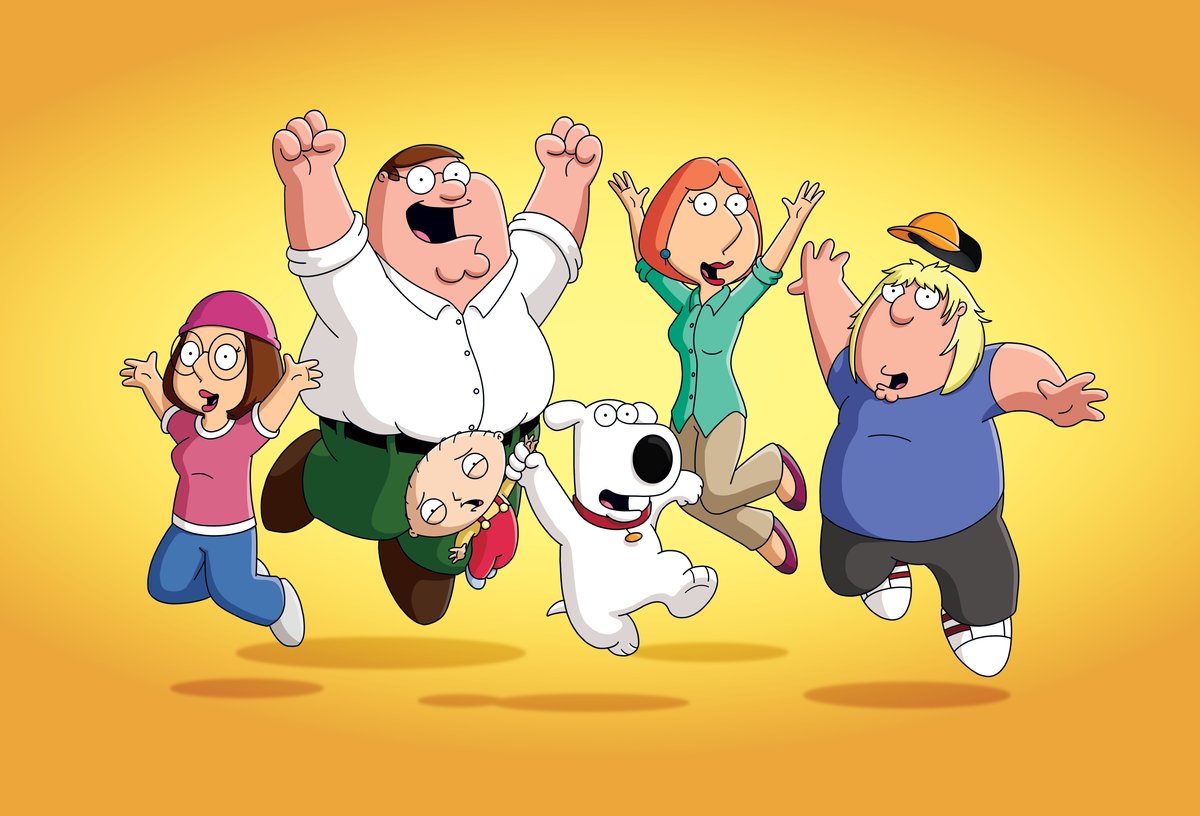
Venturing into the sprawling, often outrageous, and undeniably influential world of Family Guy can feel like a daunting task. With over 400 episodes spanning more than two decades, Seth MacFarlane's animated juggernaut has carved out a unique space in adult animation, inspiring a generation of shows and forever changing how we consume satirical comedy. But where does a fresh-faced viewer even begin to navigate the surreal cutaways, pop culture deep dives, and dark humor of the Griffin family?
You’re not alone in that question. Many long-running series present an intimidating backlog. This guide isn't about watching Family Guy from Season 1, Episode 1. Instead, it’s a curated roadmap to the most memorable Family Guy episodes for new viewers—the ones that best encapsulate the show’s anarchic spirit, introduce its iconic characters, and showcase its surprising depth. Consider this your cheat sheet to getting hooked without feeling lost.
At a Glance: Your Family Guy Launchpad
- Kickstart Your Fandom: Dive into episodes that define the show's humor and core characters from the get-go.
- Meet the Griffins: Understand Peter, Lois, Brian, Stewie, Meg, and Chris through their most characteristic (and often absurd) adventures.
- Experience Signature Styles: Get a taste for the show's famous cutaways, musical numbers, genre parodies, and meta-commentary.
- Witness Pivotal Moments: Discover why certain episodes are considered fan favorites and cultural touchstones.
- No Spoilers, Just Fun: Enjoy these standout stories without needing deep prior knowledge of the series' extensive history.
The Enduring Legacy of Quahog
Since its 1999 debut, Family Guy has consistently pushed boundaries, often to critical acclaim, sometimes to controversy, but always to immense popularity. While it often draws comparisons to its predecessor, The Simpsons, Family Guy quickly established its own identity: a rapid-fire assault of non-sequitur gags, deeply cynical takes on modern life, and a willingness to go where other shows wouldn't. It's a series that isn't afraid to be crude, clever, or surprisingly heartfelt, often all within the same scene.
The show's influence extends far beyond its direct spin-offs like The Cleveland Show and American Dad. Its unique blend of surrealism, sharp satire, and often raunchy appeal paved the way for animated hits such as Big Mouth, Rick and Morty, and Robot Chicken. At its heart are the misadventures of the Griffin family in Quahog, Rhode Island: the oafish patriarch Peter, his long-suffering wife Lois, their insecure daughter Meg, dim-witted son Chris, the intellectual talking dog Brian, and the megalomaniacal, infamously matricidal baby Stewie. Each character brings a distinct flavor to the chaos, making their collective dynamic endlessly entertaining.
So, ready to dive in? Here are the episodes that will give you the most bang for your buck, ensuring your first foray into Quahog is nothing short of memorable.
Kickstarting Your Journey: Early Gems & Core Concepts
These episodes are foundational. They introduce the unique brand of Family Guy humor, establish character dynamics, and showcase the show's early inventiveness.
"Let's Go to the Hop" (Season 2, Episode 14)
One of the earliest episodes that perfectly captures the show's cleverness and surreal humor. Peter, in an absurd undercover mission, infiltrates Meg’s high school as "Lando Griffin" to bust a toad-licking ring. It’s a masterclass in rocket-fast storytelling, delivering iconic moments and even a glimpse into Peter and Lois's surprisingly wild past. This episode is pure, unadulterated early Family Guy — zany, quick-witted, and unafraid to go for the most outlandish premise.
"Da Boom" (Season 2, Episode 3)
A fantastic showcase of the show's early originality and willingness to embrace a truly bizarre concept. On the eve of Y2K, Peter's paranoia leads the family to prepare for the end of the world. Lo and behold, Y2K brings a post-apocalyptic nuclear hellscape! What follows are memorable gags, the introduction of Peter's iconic chicken suit nemesis, and a glimpse into Peter's leadership (or lack thereof) as he becomes mayor of "New Quahog." It's a hilarious, self-contained adventure that sets the stage for the show's anything-goes attitude.
"Death Is a Bitch" (Season 2, Episode 6)
This episode is a masterclass in concept execution and features one of Family Guy's most beloved recurring characters: Death, voiced by the legendary Norm Macdonald. When Peter's shenanigans break Death's leg, the Grim Reaper is forced to recuperate at the Griffins' home, rendering all humans immortal. Peter, naturally, attempts to take over reaping human souls. It's a tightly written episode that delivers both existential comedy and fantastic character moments, highlighting the show's ability to blend high-concept sci-fi with lowbrow humor.
"Road to Rhode Island" (Season 2, Episode 13)
The trailblazer that birthed the legendary "Road to" episodes, solidifying the dynamic between Brian and Stewie. This adventure sees Brian take Stewie on a cross-country trip to find the puppy mill where Brian was born, seeking closure for his past. Despite the grim premise, it features a memorable musical number and firmly establishes the duo's unique bond—a cornerstone of the entire series. It's a must-watch to understand one of Family Guy's most enduring and popular pairings.
"The Thin White Line" (Season 3, Episode 1)
This two-part episode (with the first part being particularly strong) offers a clever send-up of old police movie tropes. Brian volunteers as a drug-sniffing dog for the police department but soon falls victim to addiction himself. The episode balances sharp parody with genuine stakes, while Peter's hilarious attempt to infiltrate a rehab facility (mistaking it for a cruise) provides the perfect comedic counterpoint. It showcases the show's ability to tackle a serious subject with its signature irreverence.
"Family Guy Viewer Mail 1" (Season 3, Episode 21)
A brilliant exercise in meta-humor and creative storytelling, this episode features Brian and Stewie introducing three short stories supposedly adapted from viewer suggestions. You get a whirlwind of comedy: Peter's genie wishes gone wrong, the Griffins as superheroes, and an ingenious Little Rascals parody focusing on young Peter and Quagmire's romantic rivalry, which cleverly incorporates a Scooby-Doo spoof. The third segment, in particular, is often cited as one of the show’s funniest. It’s an excellent example of Family Guy's versatility and boundless imagination.
The Dynamic Duo: Brian & Stewie's Signature Adventures
If there's one relationship that defines Family Guy's heart and humor, it's the unlikely friendship between the sophisticated, sardonic dog Brian and the diabolically intelligent baby Stewie. Their "Road to" episodes are legendary for a reason.
"Road to Europe" (Season 3, Episode 20)
Building on the foundation laid by "Road to Rhode Island," this episode solidified the killer rapport between Brian and Stewie. Inspired by classic Bob Hope/Bing Crosby buddy comedies, it follows the pair on an epic journey across Europe. Beyond their globe-trotting antics, the episode features a brilliant B-story of Peter and Lois's misadventures trying to attend a KISS concert, making it an unmissable package of classic Family Guy humor.
"Road to the North Pole" (Season 9, Episode 7)
A darker, more cynical, yet still sweet "Road to" episode that perfectly encapsulates Brian and Stewie's chemistry. Stewie, furious about unfulfilled Christmas demands, drags Brian to the North Pole to kill Santa. What they discover is a bleak, unexpected truth: emaciated, overworked elves and a despondent, ailing Santa Claus, struggling with the demands of modern overconsumption. The episode transforms into a ruthless satire of consumerism and its environmental impacts, balancing cynical dark humor with genuinely poignant moments. It's considered a must-watch for understanding their friendship's depth.
"Yug Ylimaf" (Season 11, Episode 4)
This ingenious sci-fi spoof, marking the 200th episode, is a love letter to Star Trek-style storytelling with a classic Family Guy twist. When Brian accidentally breaks Stewie's time machine (which he was using to impress women, naturally), time begins running backward, threatening Stewie's very existence. The duo must team up to save the spacetime continuum, navigating a world filled with fun references to previous episodes. It's a high-concept, brilliantly executed adventure that highlights the show's creativity.
"Road To The Multiverse" (Season 8, Episode 1)
Long before Marvel popularized the concept, Family Guy delivered one of the first truly comedic depictions of a multiverse in pop culture. Brian and Stewie journey through hilariously inventive alternate realities, each more absurd and imaginative than the last. This episode brilliantly showcases the show's boundless creativity and proves that high-concept storytelling can pay off in spades, offering a glimpse into what might have been, in countless hilarious ways.
"Back to the Pilot" (Season 10, Episode 5)
A cheeky homage to Back to the Future and Star Trek, this episode is a spiritual successor to "Road to the Multiverse." Brian and Stewie travel back to 1999, the very year Family Guy premiered. Brian's well-intentioned warning about 9/11 creates a catastrophic ripple effect, transforming their present world into a post-nuclear hellscape. It's packed with Easter eggs for longtime fans but remains incredibly entertaining for new viewers, exploring themes of causality with typical Family Guy irreverence.
Meta, Satire, & Pop Culture Gold
Family Guy thrives on cultural commentary, genre deconstruction, and breaking the fourth wall. These episodes exemplify the show’s ability to turn a critical eye on everything from network politics to classic cinema, all while being hilariously self-aware. If you're looking for even more of the best Family Guy episodes, many of these meta-commentary gems certainly make the cut.
"Three Kings" (Season 7, Episode 15)
An anthology episode that brilliantly spoofs three Stephen King stories: Stand By Me, Misery, and The Shawshank Redemption. It perfectly blends an obvious affection for King's work with Family Guy's zany humor, featuring high-profile cameos and reportedly earning praise from King himself. This episode is a fantastic entry point for new viewers to understand the show’s knack for affectionate parody and its ability to condense complex narratives into comedic bites.
"Blue Harvest" (Season 6, Episode 1)
A major success and fan favorite, this episode is a loving, shot-for-shot parody of Star Wars: A New Hope. It reimagines the iconic film through the irreverent lens of Family Guy characters, with Peter as Han Solo, Lois as Princess Leia, and Stewie as Darth Vader. It’s a testament to the show’s comedic timing and its ability to meticulously recreate and then subvert beloved pop culture touchstones, providing a fresh and hilarious perspective on a cinematic classic.
"FOX-y Lady" (Season 7, Episode 10)
This episode sharply satirizes the clash between Seth MacFarlane's liberal sensibilities and the conservative politics of the Fox network. Lois becomes a Fox News reporter and quickly discovers the network's reporting restrictions and biases. Featuring guest stars like Seth Rogen and Fred Savage, with a B-plot of Peter trying to pitch a cartoon called "Handi-Quacks," it's a pointed commentary on media, politics, and the inherent tensions of working within a large corporation.
"Emmy-Winning Episode" (Season 16, Episode 1)
Seth MacFarlane takes direct aim at Family Guy's perceived lack of Emmy wins for Best Comedy with this incredibly meta episode. The entire installment is structured as "Emmy bait," with Peter and the crew desperately attempting to rip off award-winning shows' qualities—from adopting serialization to adding "messages" to appealing to specific demographics. It's a hilarious and thought-provoking critique of awards shows and forces viewers to question what comedy truly deserves major praise.
"PTV" (Season 4, Episode 14)
An early and essential example of Family Guy embracing meta-humor and social commentary. In response to new FCC censorship mandates (sparked by real-world events like Janet Jackson's "wardrobe malfunction"), Peter launches his own uncensored television network, PTV. The episode brilliantly lampoons media censorship, the FCC's perceived overreach, and meditates on the complex relationship between censorship and entertainment, all while being incredibly funny and prescient.
"The Simpsons Guy" (Season 13, Episode 1)
The highly anticipated crossover episode that brought together two animated titans. Peter's offensive comic strip causes the Griffin family to flee Quahog, leading them to Springfield where they meet and bond with The Simpsons. What starts as an amicable meeting between two similar families eventually escalates into a hilarious, epic brawl over beer. It’s a landmark episode that plays on both shows' tropes and character dynamics, offering a unique viewing experience.
"The D in Apartment 23" (Season 16, Episode 6)
A modern episode that directly tackles contemporary issues, showcasing Family Guy's continued relevance. Brian gets "canceled" on Twitter for a racially charged joke, culminating in him desperately trying to convince a literal mob of his progressive credentials. The episode points to the extreme sides of identity politics and online transgressions, demonstrating the show’s willingness to satirize current cultural anxieties and the often-absurd nature of online discourse.
Beyond the Gags: Narrative Powerhouses & Character Spotlights
While known for its cutaways, Family Guy also excels at crafting compelling narratives, developing character arcs, and delivering surprisingly heartfelt or genuinely intriguing storylines. These episodes highlight the show’s ability to go deeper than just surface-level gags.
"And Then There Were Fewer" (Season 9, Episode 1)
Widely considered Family Guy's strongest episode and a must-watch for its masterful storytelling. This hour-long premiere is a witty, ingenious, and unpredictable murder mystery parody based on Agatha Christie's And Then There Were None. Set at James Woods' cliffside mansion, it gathers a large cast of minor characters only to begin dispatching them in surprising ways. The episode famously promised to permanently kill off a supporting character and delivered, creating genuine stakes and a compelling whodunit.
"To Love And Die In Dixie" (Season 3, Episode 12)
This fast-paced blend of crime comedy and satirical jabs at Southern culture sees the Griffin family relocate to the Deep South under witness protection after Chris witnesses a crime. It’s noted for its cleverness, quick wit, and inventive storytelling, featuring a plot with actual stakes—a rarity for Family Guy at the time—making it a compelling early entry.
"Stewie Loves Lois" (Season 5, Episode 1)
While the title playfully suggests Stewie's realization of his mother's care, the main plot centers on Peter organizing the town against a local doctor after an uncomfortable prostate exam. Both arcs are considered "home runs," creating a comedic synergy that exemplifies Family Guy's ability to juggle disparate storylines with hilarious results. It’s a great example of the show balancing character-driven humor with more outrageous gags.
"Petarded" (Season 4, Episode 6)
This episode marked the show's triumphant return after its initial cancellation and perfectly encapsulates Peter's unique brand of idiocy. Peter is diagnosed as intellectually disabled, and the comedy brilliantly lampoons his attempts to twist his diagnosis into a sign of superiority, rather than making light of genuine developmental issues. It highlights the show's sharp comedic writing, even when treading controversial ground.
"Lois Kills Stewie" (Season 6, Episode 5)" & "Stewie Kills Lois" (Season 6, Episode 4)
This ambitious two-part story sees Stewie, after being challenged to follow through on his threats, seemingly shooting and killing Lois. Lois then tells the world, turning Stewie into a fugitive who eventually takes over the nation. These episodes delve deep into Stewie's complex identity and feature cameos from American Dad characters, sparking debates on fake-out endings and the show’s narrative choices. It's a bold, high-stakes saga that showcases the show's capacity for extended storytelling.
"Meet The Quagmires" (Season 5, Episode 18)
A Back to the Future-esque plot where Peter, lamenting his early marriage, travels back in time to enjoy single life. Predictably, this inadvertently causes Quagmire to marry Lois. Peter must then restore the timeline, leading to both lowbrow humor and surprisingly sweet moments where he realizes his luck in having Lois. It’s a great example of the show balancing its typical outlandishness with moments of genuine character development and reflection.
"Leggo My Meg-O" (Season 10, Episode 20)
A loving and spot-on sendup of the Taken films, featuring Peter Griffin doing an impressive Liam Neeson impersonation when Meg is kidnapped in Paris. This episode not only offers keen commentary on the revenge genre but also provides a rare and much-deserved storyline that puts Meg in the spotlight, allowing Mila Kunis's voice work to truly shine. It's a fantastic example of the show giving depth (and a moment in the sun) to its most overlooked character.
"McStroke" (Season 6, Episode 8)
While Peter suffers a burger-induced stroke and pursues legal action against the fast food chain, the standout narrative involves Stewie's hilarious attempts to become a popular high school student. Notably created during the WGA 2007–2008 strike without Seth MacFarlane as a writer, this episode showcases the strength of the broader writing team and the enduring comedic appeal of Stewie's ambition and unique perspective.
"Airport 07" (Season 5, Episode 12)
This classic Family Guy episode sees Peter get Quagmire fired from his job as an airline pilot and then disastrously tries to help him find new work, leading to events that endanger countless lives. It boasts a memorable cameo from Hugh Hefner, features plenty of classic cutaway comedy, and is chock-full of cultural references, making it a quintessential early-to-mid season experience for new viewers.
Tips for Navigating the Family Guy Universe
Embarking on your Family Guy journey with these episodes will give you a solid foundation, but here are a few extra tips for maximum enjoyment:
- Embrace the Cutaways: Family Guy is famous (or infamous) for its non-sequitur cutaway gags. Don't try to find deep meaning; just enjoy the brief, often absurd, diversions. They're a core part of the show's comedic DNA.
- Don't Expect Strict Continuity: While there are character developments and recurring jokes, Family Guy largely operates on cartoon logic. Major events (like Stewie's attempts to kill Lois) often reset or are simply ignored in subsequent episodes for comedic purposes.
- Prepare for Dark and Raunchy Humor: The show doesn't shy away from controversy or pushing boundaries. If you're sensitive to certain topics, be aware that Family Guy often dives headfirst into them with irreverent jokes.
- It Evolves Over Time: Early seasons have a slightly different feel and animation style than later ones. These recommended episodes span various seasons, giving you a taste of the show's evolution while focusing on its most impactful moments.
- Re-watches are Rewarding: Many gags, subtle references, and even background details are easily missed on a first watch. Don't be surprised if you catch new jokes on a second viewing!
Common Misconceptions About Family Guy
As with any long-running, polarizing series, Family Guy has its share of common misconceptions. Clearing these up can enhance your viewing experience:
- "It's Just a Simpsons Rip-Off."
While The Simpsons undeniably paved the way for adult animated sitcoms, Family Guy quickly established its own distinct identity. The Simpsons is largely observational family comedy with heart; Family Guy is anarchic, surreal, and often more cynical, relying heavily on non-sequitur gags and breaking the fourth wall. They are distinct comedic beasts. - "It's Only Shock Humor."
While Family Guy certainly employs shock humor and dark comedy, to say it's only that is a disservice. The show is also incredibly clever, with sharp satire, intricate musical numbers, brilliant genre parodies, and surprisingly poignant character moments (especially involving Brian and Stewie). The shock value is often a vehicle for broader commentary or just pure comedic absurdity. - "The Characters Never Grow."
Like most animated sitcoms, significant character development is rare, but it does happen in subtle ways. Stewie's journey from pure evil baby to a more complex, often conflicted character is a prime example. The show focuses more on putting established characters into new, ridiculous situations rather than linear growth.
Your Next Binge-Watching Assignment
These memorable Family Guy episodes for new viewers offer a robust and entertaining entry point into one of television's most enduring animated series. By sampling these hand-picked highlights, you'll gain a comprehensive understanding of the show's unique comedic voice, its unforgettable characters, and its significant cultural impact. You'll laugh, you'll cringe, and you'll probably wonder what exactly you just watched—and that, my friends, is the quintessential Family Guy experience.
So grab your remote, settle in, and prepare for a wild ride through Quahog. This isn't just about watching a TV show; it's about understanding a comedic phenomenon that has shaped the adult animation landscape for decades. Enjoy the chaos!